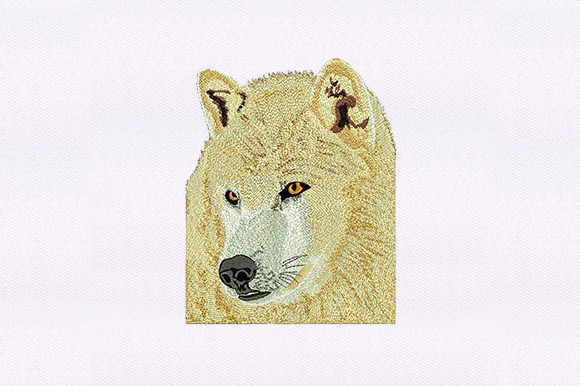
Labrador Husky Face
A Designer’s First Look: Friendly, Bold, and Instantly Recognizable
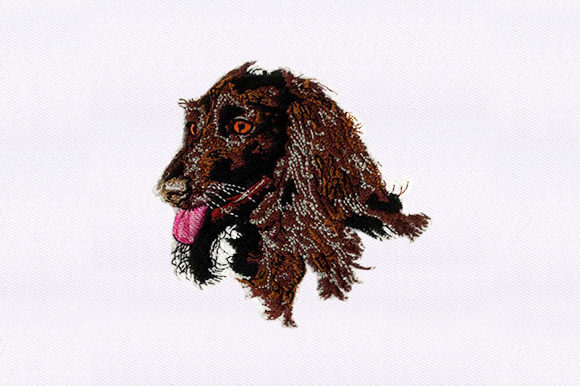
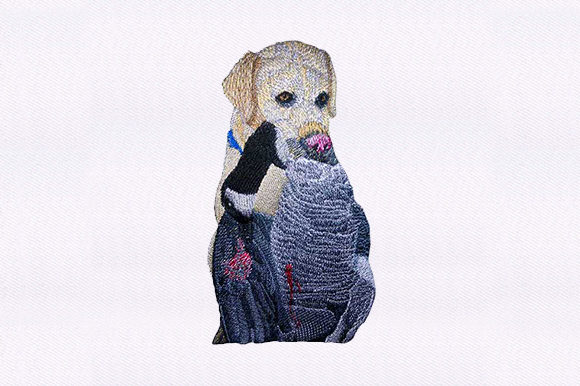
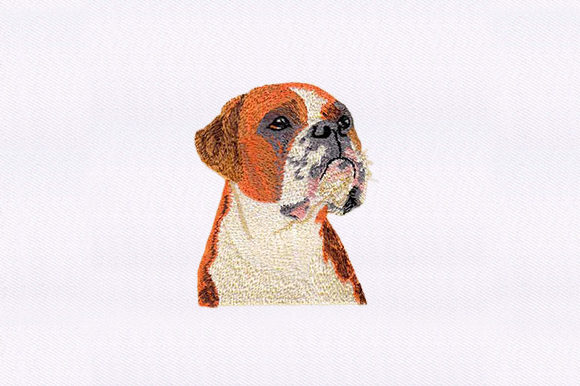
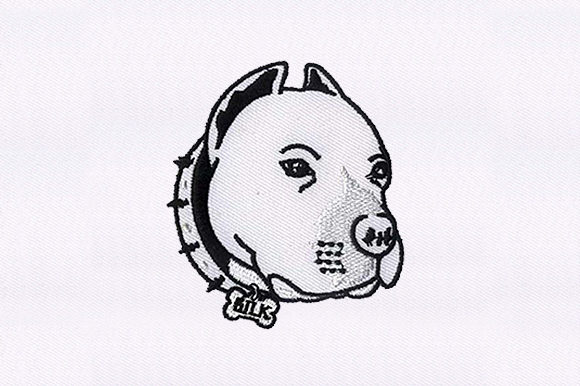
When I opened the Labrador Husky Face embroidery file, what struck me first wasn’t technical precision—it was personality. This isn’t a generic dog silhouette or a cartoonish caricature. It’s a warm, approachable face with expressive eyes, soft ear contours, and just enough detail to read as both Labrador and Husky without visual confusion. The layout is centered and balanced—no awkward limbs or floating elements—so it lands cleanly on fabric every time. As a designer who’s stitched hundreds of animal motifs, I can say this one feels *intentional*: it’s built for clarity at medium sizes (3–5 inches), not for tiny hoops or ultra-minimalist branding.
Real-World Test: Stitching It on a Linen-Cotton Tote Bag for a Local Boutique
Last week, I used Labrador Husky Face to embroider a set of canvas tote bags for a neighborhood pet-friendly boutique. We chose natural linen-cotton blend fabric—medium weight, slightly textured, and prone to puckering if stabilizer isn’t dialed in right. With a medium-weight cutaway stabilizer and 40-weight polyester thread, the design stitched out cleanly: satin stitch defining the muzzle and eyes held crisp edges, fill stitch in the cheeks stayed smooth and dense without shadowing, and the subtle running stitch along the brow ridge added quiet dimension—not decoration for decoration’s sake. Customers responded immediately: “That’s *my* dog,” one said, holding up her own mixed-breed pup. That kind of emotional resonance? That’s where Labrador Husky Face earns its keep—not just as a machine embroidery design, but as a storytelling tool.
Where It Shines—and Where It Needs Thoughtful Handling
Labrador Husky Face excels on stable, medium-to-heavy fabrics: sweatshirt fleece, denim aprons, cotton tea towels, baby onesies (with tear-away stabilizer), and structured pillow covers. It reads beautifully on light backgrounds—especially with contrasting thread colors like charcoal gray on ivory or navy on oatmeal. On dark fabric? Use bright white or metallic silver thread for the eyes and nose highlights to maintain definition.
But here’s where attention matters: avoid using it on highly stretchy knits (like lightweight t-shirts) without proper backing and reduced stitch density—or you’ll get distortion around the muzzle curve. Curved surfaces like caps require repositioning and possibly digitizing tweaks; the current layout assumes flat hooping. And while the design avoids micro-detail (no tiny whiskers or eyelashes), the inner ear shape and cheek contour *do* rely on consistent fill stitch coverage—so test on your exact fabric/stabilizer combo before committing to a batch of holiday embroidery gifts or Etsy seller inventory.
Design Assets That Build Trust—Not Just Cuteness
As an embroidery product reviewer and small business consultant, I watch how designs affect buyer perception. Labrador Husky Face doesn’t scream “mass-produced clip art.” Its proportions feel hand-drawn, its line weight varies subtly, and its facial symmetry is *almost* perfect—just enough human imperfection to feel handmade. That nuance translates directly into perceived value: customers pay more for embroidered patches or custom apparel that looks intentional, not algorithm-generated. For Etsy sellers, that means better conversion on listings tagged “personalized gift” or “dog lover present.” For craft fair vendors, it means people pause longer at your booth—and remember your brand after they leave.
Practical Notes Every Embroidery Designer Should Run Before Stitching
- Always test on scrap fabric first—especially if stitching on textured or layered garments like quilted jackets or reversible aprons.
- Check thread color contrast across multiple lighting conditions. What reads clearly in studio light may blur on a phone screen preview or under store LEDs.
- Review stitch density. If your machine struggles with dense fill areas, consider reducing density by 5–8%—it won’t sacrifice legibility, and it will reduce thread breakage on long runs.
- Confirm hoop size compatibility. While Labrador Husky Face fits standard 4x4 and 5x7 hoops, double-check your file’s actual dimensions before nesting multiple designs.
- Inspect small details in your embroidery software: are the eye highlights clean? Does the nose outline hold its shape without fraying? Zoom in—you’ll catch issues no photo preview reveals.
- Test black-and-white mockups to assess silhouette strength. If it reads well without color, it’ll work across seasonal palettes and fabric types.
- Compare light and dark fabric backgrounds side-by-side. Some designs vanish on black; this one holds up—but only if thread contrast is deliberate.
- Use proper stabilizer: cutaway for knits and stretchy fabrics, tear-away for stable wovens, and fusible for lightweight linens or baby items.
- Verify licensing before selling finished products or bundling the digital embroidery file with other design assets. Commercial use isn’t automatic—even for “cute” dog motifs.
Final Thought: A Reliable Workhorse for Dog-Lover Projects
Labrador Husky Face won’t replace your go-to applique design for complex layered projects—but it *will* become your confident choice for custom apparel, boutique merchandise, personalized gifts, and holiday embroidery collections. It balances charm and craftsmanship without overpromising. Whether you’re a solo craftsperson building a handmade product line or an Etsy seller scaling small shop product offerings, this embroidery file delivers consistency, emotional appeal, and real-world stitchability. Just remember: great design isn’t just about how it looks on screen—it’s about how it holds up after washing, how it photographs in a printable mockup, and how it makes someone smile when they unbox their custom tote bag. Labrador Husky Face does all three.