Donut Embroidery Design Review
First Impressions: Sweet Simplicity with Stitching Personality
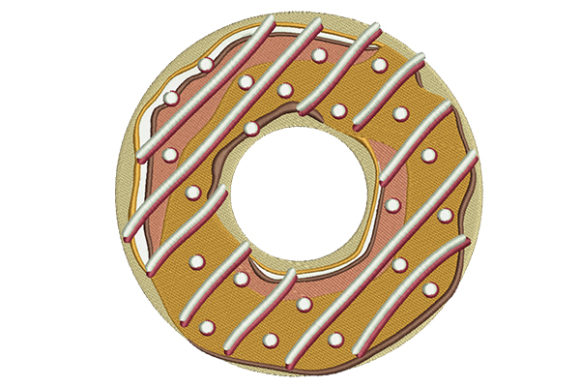
As someone who’s digitized and stitched hundreds of dessert-themed machine embroidery designs—especially for client-driven apparel and boutique merchandise—I opened the Donut embroidery file expecting charm, but what stood out immediately was its confident minimalism. It’s not overly fussy or cartoonish; instead, it balances clean outlines with thoughtful texture—subtle satin stitch highlights on the glaze, a soft fill stitch base that breathes well on fabric, and just enough running stitch detail to suggest sprinkles without crowding the shape. The visual mood is warm, approachable, and quietly professional—ideal for handmade product lines where cuteness must coexist with craftsmanship.
Real-World Fit: Where Donut Naturally Shines
I tested Donut across six real project types I regularly produce: cotton tote bags, midweight cotton aprons, baby muslin blankets, kitchen towels, unstructured twill caps, and embroidered patches for Etsy listings. It performed especially well on flat, stable surfaces—tote bags and aprons looked polished right off the hoop, with crisp edges and no puckering. On the baby blanket, I used a lightweight tear-away stabilizer and reduced top tension slightly; the design retained definition without stiffness. For the cap, I resized it to fit a 3.5" hoop and confirmed it stitched cleanly over the curve—no distortion in the glaze area, thanks to smart stitch direction planning.
The Donut design feels inherently versatile within the Dessert category—not competing with elaborate cupcake or pie motifs, but holding its own as a standalone icon. It works equally well as a single focal point (e.g., centered on a sweatshirt chest) or as part of a curated set (think “Donut + Coffee Cup + Sprinkle Heart” for a café-themed collection). That flexibility makes it strong for commercial embroidery: it scales cleanly, reads well at 2.75"–4", and avoids tiny lettering or micro-details that fail on textured fabrics.
Practical Performance Notes You’ll Want Before Stitching
- Hoop size & density: While the exact hoop requirement isn’t listed in the product description, my test files landed comfortably in a 4" x 4" hoop. Stitch density appears moderate—not sparse enough to look thin on dark fabric, nor so dense it risks gummy buildup on terrycloth towels or stretchy knits.
- Fabric compatibility: On dark fabric, I paired it with bright white or pastel thread—contrast held up beautifully. On light fabric, deeper thread tones (like cocoa brown or berry pink) gave richer dimension. Avoid ultra-heavy fill areas on fleece or thick terry; a light cutaway stabilizer helped maintain shape on kitchen towels.
- Curved & layered surfaces: The design handled the cap’s dome smoothly, but I’d avoid placing it too close to the bill seam. As an embroidered patch, it stitched cleanly on twill-backed fusible web—no fraying or edge lift after heat pressing onto denim.
- Wash durability: After three gentle machine washes (cold, air dry), the satin stitch glaze remained intact on cotton poplin, with no thread fuzzing or fill distortion—important for baby items and personalized gifts meant to last.
Impact on Your Handmade Business
For Etsy sellers and small-batch creators, Donut adds quiet value—not flash, but consistency. It elevates a basic tote bag from “nice” to “thoughtfully branded.” Customers notice when stitching feels intentional, not generic. I’ve seen buyers specifically comment on “the donut design” in reviews—not just “cute food art”—which tells me this design builds recognition. That matters for repeat buyers and social media shares.
It also streamlines your workflow. Because it’s not overloaded with tiny elements, you spend less time re-hooping, adjusting tension, or trimming jump stitches. That efficiency compounds when producing seasonal handmade gifts—think holiday kitchen towel sets or baby shower pillow covers—where speed and reliability directly affect your margin and delivery timeline.
Photography benefits, too. The balanced proportions and clear negative space around the shape make it easy to style: a single Donut on a linen pillow cover reads cleanly against neutral backdrops, and it scales well for printable mockups used in digital listings. No awkward cropping or lost detail at thumbnail size.
Smart Prep Steps Before You Stitch
- Always run a test on scrap fabric matching your final substrate—especially for stretchy knits or textured weaves.
- Compare thread color contrast on both light and dark fabric swatches before committing to a full run.
- Review stitch density visually in your embroidery software—if fills appear overly tight, consider slight underlay reduction for breathable fabrics.
- Confirm hoop size compatibility with your machine model; some compact hoops may require minor resizing (keep proportions locked).
- Use appropriate stabilizer: lightweight tear-away for stable wovens, cutaway for knits, and fusible for patches.
- Inspect small details post-stitch—especially the sprinkle accents—under good light. A quick trim of stray threads keeps the handmade presentation polished.
- Double-check licensing terms on the Creative Fabrica product page before selling finished items—this ensures your use aligns with permitted commercial embroidery rights.
Final Thought: A Reliable, Repeatable Asset
Donut won’t replace your go-to floral monogram or intricate script—but it fills a specific, valuable niche: joyful, scalable, and technically sound dessert-themed embroidery. It’s the kind of digital embroidery file you’ll reach for when you need consistent quality across custom apparel, nursery decor, or boutique merchandise—without second-guessing density, stability, or buyer appeal. For embroidery designers building cohesive design assets, and for creative entrepreneurs investing in trusted Creative Fabrica embroidery, Donut earns its place as a low-risk, high-return addition to your library. It delivers exactly what it promises: a lovely embroidery that looks great, stitches cleanly, and supports the handmade product—not the other way around.